When the Path to Pregnancy Is Physically Obstructed — But Still Possible
Fallopian tubes are the delicate, essential pathways that connect the ovaries to the uterus — allowing eggs to meet sperm and fertilization to occur. When these tubes are partially or completely blocked, natural conception becomes difficult or even impossible.
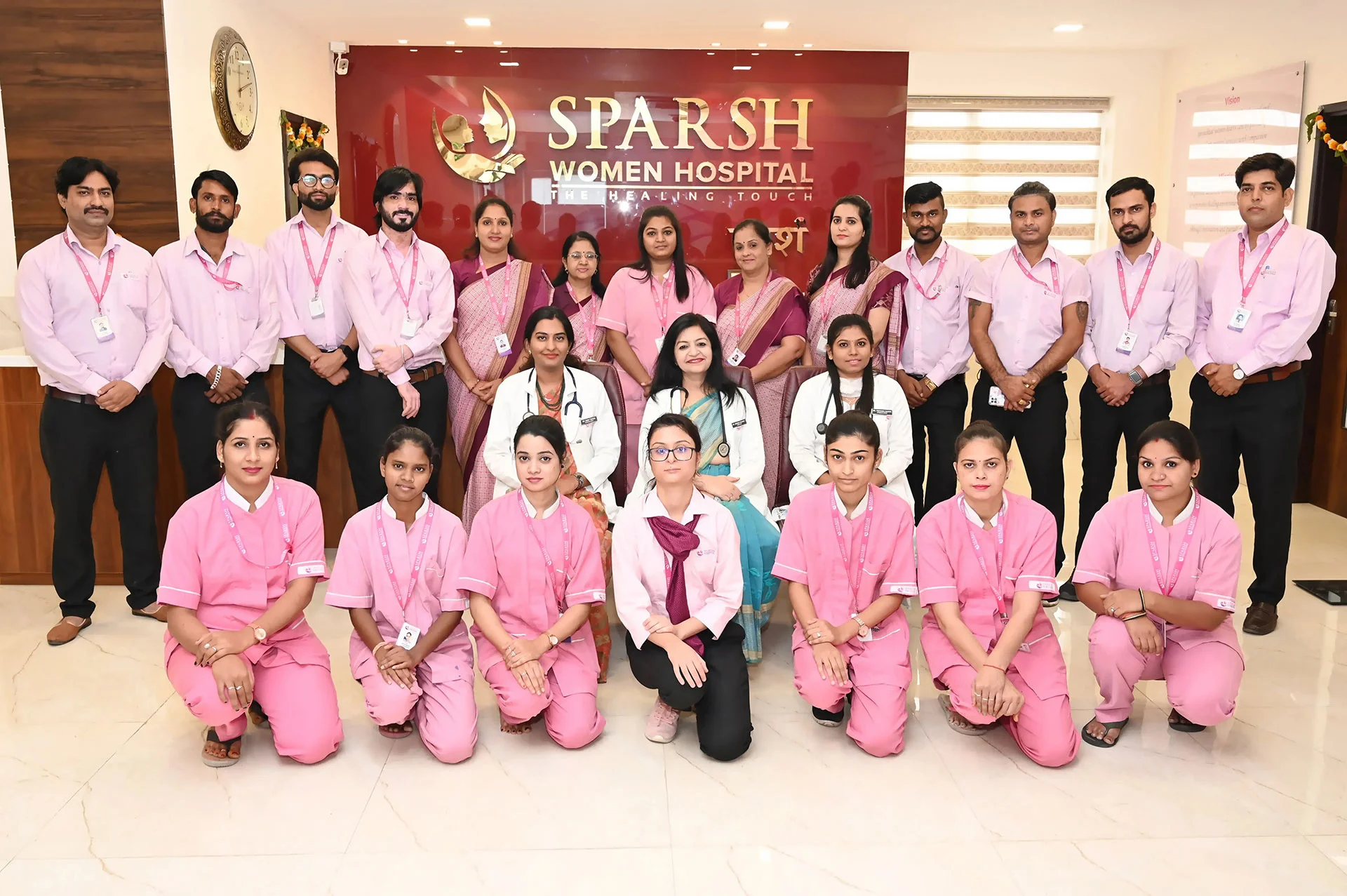
At SPARSH IVF, we specialize in diagnosing and managing tubal factor infertility with a combination of precise diagnostics, minimally invasive procedures, and fertility treatments such as IVF. A blocked tube may close one door — but it doesn’t end your fertility journey.
What Are Blocked Fallopian Tubes?
Blocked fallopian tubes refer to any obstruction that prevents the egg and sperm from meeting. Depending on the severity and location of the blockage, a woman may face difficulty in conceiving or experience a higher risk of ectopic pregnancy.
Fallopian tube blockages are responsible for 20–30% of infertility cases in women. The good news: today’s reproductive medicine offers effective solutions, even in cases where both tubes are blocked.
Types of Tubal Blockage
Type
Description
Fertility Impact
Proximal blockage
Near the uterus
Often from infection or inflammation
Distal blockage
Near the ovary
Frequently caused by adhesions or hydrosalpinx
Unilateral blockage
One tube affected
Conception possible if the other tube is healthy
Bilateral blockage
Both tubes affected
Natural conception unlikely without IVF
Causes of Blocked Fallopian Tubes
Pelvic Inflammatory Disease (PID)
Sexually Transmitted Infections (STIs) — like chlamydia or gonorrhea
Endometriosis
Past surgeries (appendix, uterus, ovary, etc.)
Tuberculosis (genital TB) — still common in parts of India
Ectopic pregnancy history
Previous D&Cs with complications
At SPARSH IVF, we take a detailed reproductive and surgical history to identify risk factors.
Symptoms of Blocked Tubes
In most cases, tubal blockage causes no symptoms. Many women only discover it during infertility evaluations. However, some may experience:
Chronic pelvic or lower abdominal pain
Pain during menstruation or intercourse
Abnormal vaginal discharge (especially in infections)
History of ectopic pregnancy or miscarriage
Inability to conceive after one year of trying
Diagnosing Blocked Tubes at SPARSH IVF
Our diagnostic approach is non-invasive, accurate, and efficient:
X-ray procedure with contrast dye
Highlights blockages or abnormalities in the uterus and tubes
Outpatient, 10–15 minutes, mild cramping may occur
Gold standard for tubal patency evaluation
Saline infusion with ultrasound
No radiation, good for initial screening
Minimally invasive surgery for direct visualization
Allows for both diagnosis and treatment
Recommended in complex cases or recurrent IVF failure
Treatment Options for Blocked Fallopian Tubes
Treatment depends on:
The location and extent of blockage
Whether one or both tubes are affected
Your age, fertility history, and ovulation status
Done via laparoscopy in selected cases
Tuboplasty (re-opening the tubes)
Adhesiolysis (removal of scar tissue)
Salpingectomy (removal of damaged tube, especially in hydrosalpinx)
Success rates depend on the damage level and are lower in women over 35.
Bypasses the fallopian tubes entirely
Most effective when both tubes are blocked or damaged
Higher success rates than tubal surgery in most cases
Frozen Embryo Transfer (FET) preferred post salpingectomy for hydrosalpinx
At Sparsh IVF, IVF for tubal factor infertility has consistently yielded excellent outcomes — especially when combined with pre-treatment assessment and personalized protocols.
IVF Treatment for Blocked Fallopian Tubes
IVF may be an option for women with blocked fallopian tubes who are trying to conceive. Treatment depends on the type and location of the blockage, the presence of hydrosalpinx, ovarian function, and other fertility factors. Care may include:
Pre-treatment assessment: Medical consultation and appropriate investigations, such as HSG or transvaginal ultrasound (TVS).
Hydrosalpinx management: Assessment of whether additional treatment is appropriate before IVF.
Ovarian stimulation: An individualised medication plan with monitoring during treatment.
Embryo assessment: Discussion of additional procedures or genetic testing when clinically indicated.
Ongoing support: Guidance on treatment steps, emotional well-being, and general health during the IVF process.
Why Choose SPARSH IVF?
Expertise in tubal factor infertility management
In-house HSG and laparoscopy
Clear, transparent explanation of your options
IVF protocols that respect your ovarian reserve
Ethical advice — we don’t rush into surgery unless necessary
Don’t Let a Blocked Tube Block Your Dreams
Blocked fallopian tubes may change the path — but not the destination. At SPARSH IVF, we guide you with clarity and care, turning complexity into a confident step forward.
Book a consultation today and learn how we can personalize your fertility journey — whether it’s with surgery, IVF, or a little bit of both.
A blocked road doesn’t mean the journey ends. It just means you need a better map — and the right partner to guide you.