




Introduction
If your periods are unpredictable, arrive months apart, or you are struggling to identify your fertile days, you may wonder whether you are ovulating regularly. Polycystic ovary syndrome (PCOS) is one common reason ovulation becomes irregular. However, irregular ovulation does not mean that pregnancy is impossible, and not every person with PCOS has the same symptoms or fertility experience.
PCOS ovulation problems are usually related to changes in the hormonal signals that help an egg mature and release from the ovary. Understanding what is happening—and getting the right evaluation—can help you choose an appropriate next step, whether your goal is better cycle health, pregnancy planning, or fertility treatment.
Quick Answer: Why Does PCOS Affect Ovulation?
PCOS can interfere with the normal development and release of an egg. In many people, the ovaries contain multiple small follicles, but one follicle does not consistently become dominant and release a mature egg. Hormonal changes, including altered androgen activity, insulin resistance in some patients, and disrupted communication between the brain and ovaries, may contribute. As a result, ovulation may happen infrequently, unpredictably, or not at all in some cycles.
What Is Ovulation?
Ovulation is the release of a mature egg from an ovary. It generally occurs once during a menstrual cycle, although timing varies between individuals. After release, the egg can be fertilized for a limited period. Sperm can survive in the reproductive tract for several days, which is why the fertile window includes the days before ovulation as well as the day of ovulation.
Ovulation is different from menstruation. A person can have bleeding without having ovulated, particularly when hormonal fluctuations cause the uterine lining to shed irregularly. Therefore, having a monthly bleed does not always confirm that ovulation occurred.
How PCOS Can Cause Irregular Ovulation
1. Follicles may not mature normally
During a typical cycle, one follicle becomes dominant, matures an egg and releases it. With PCOS, several follicles may begin developing but stop before full maturity. This can delay ovulation or prevent it in that cycle.
2. Hormonal signalling may be disrupted
PCOS is associated with changes in the interaction between the brain, pituitary gland and ovaries. These changes can affect follicle-stimulating hormone (FSH), luteinizing hormone (LH), and ovarian hormone production. The exact pattern differs from person to person.
3. Androgen levels may be higher
Androgens are hormones often described as male hormones, but everyone produces them. In PCOS, androgen levels or activity may be higher than expected, contributing to acne, excess facial or body hair, and difficulty with regular follicle development.
4. Insulin resistance may play a role
Some people with PCOS have insulin resistance, meaning the body needs more insulin to help glucose enter cells. Higher insulin levels can influence ovarian hormone production and may worsen androgen-related hormonal imbalance. Insulin resistance is not present in every person with PCOS, and body weight alone cannot determine whether it exists.
Signs That Ovulation May Be Irregular
Possible signs include:
- Menstrual cycles longer than 35 days or fewer than approximately eight periods in a year.
- Periods that are highly unpredictable or absent for several months.
- Difficulty identifying fertile days using cycle dates alone.
- Symptoms of androgen excess, such as acne, increased facial/body hair or scalp hair thinning.
- Difficulty conceiving despite regular attempts.
- Bleeding that is unusually heavy, prolonged or irregular.
These signs can occur with PCOS, but they are not diagnostic on their own. Thyroid disorders, elevated prolactin, changes in weight, perimenopause, certain medications and other reproductive or medical conditions can also affect cycles.
PCOS and Fertility: Why Irregular Ovulation Matters
Ovulation is important for conception because an egg must be released for fertilization to occur naturally or with treatments such as IUI. If ovulation is infrequent, there may be fewer opportunities to conceive each year. Unpredictable ovulation can also make timing intercourse or fertility procedures more difficult.
PCOS does not automatically mean infertility. Many people with PCOS conceive naturally or with appropriately selected treatment. Fertility outcomes depend on several factors, including age, duration of trying to conceive, ovarian reserve, sperm factors, fallopian tube health, uterine factors, metabolic health, and whether ovulation can be restored or supported.
How Is PCOS-Related Irregular Ovulation Diagnosed?
A gynecologist or fertility specialist usually combines medical history, examination and selected tests. There is no single test that confirms PCOS in every patient.
Medical history and menstrual pattern
Your clinician may ask about cycle length, missed periods, acne, excess hair growth, weight changes, medications, pregnancy history and how long you have been trying to conceive.
Blood tests
Depending on symptoms and clinical findings, tests may include:
- Pregnancy testing when appropriate.
- Thyroid-stimulating hormone (TSH) to assess thyroid-related cycle changes.
- Prolactin when indicated.
- Total and/or free testosterone and other androgen-related tests.
- FSH, LH or estradiol in selected situations.
- Glucose testing or HbA1c, and sometimes an oral glucose tolerance test, to assess metabolic risk.
- Anti-Müllerian hormone (AMH) only when clinically useful; AMH alone should not be used as a stand-alone PCOS diagnosis.
Ultrasound
A pelvic or transvaginal ultrasound may assess the ovaries, follicle pattern and uterine lining. The presence of polycystic-appearing ovaries is not, by itself, proof of PCOS. Ultrasound findings must be interpreted alongside symptoms and laboratory results.
Confirming whether ovulation occurs
Depending on the situation, ovulation may be assessed through cycle tracking, ultrasound follicle monitoring, or a progesterone blood test timed according to the individual’s cycle. Ovulation predictor kits can be difficult to interpret in some people with PCOS because LH levels may be persistently elevated or fluctuate.
Treatment Options for PCOS and Irregular Ovulation
Treatment depends on the goal: regulating bleeding, managing symptoms, protecting the uterine lining, improving metabolic health, or achieving pregnancy. A treatment that is appropriate for one person may not be suitable for another.
1. Lifestyle and metabolic health support
Regular physical activity, adequate sleep, balanced nutrition and sustainable weight management can improve overall health and may support more predictable ovulation in some people. Benefits can occur without dramatic weight loss. Nutrition plans should be practical, culturally appropriate and individualized rather than based on restrictive diets.
2. Medicines for cycle regulation or symptoms
For people who are not currently trying to conceive, clinicians may recommend hormonal contraception or other options to regulate bleeding and protect the uterine lining. These treatments do not aim to induce pregnancy and are not appropriate for everyone.
3. Ovulation induction when pregnancy is desired
For anovulatory infertility associated with PCOS, letrozole is commonly recommended as a first-line oral ovulation-induction medicine when there are no other infertility factors that change the plan. Clomiphene citrate may be considered in selected situations. These medicines require medical supervision, and the choice depends on medical history, contraindications, availability and clinician assessment.
4. Metformin in selected patients
Metformin may be useful for some people with PCOS, particularly when metabolic concerns or insulin resistance are present. It may also have a role in fertility treatment in selected cases, but it is not a universal ovulation medicine and should not be started or changed without a clinician’s advice.
5. Injectable medicines and assisted reproduction
If oral ovulation induction is unsuccessful, injectable gonadotropins, IUI or IVF may be considered. Injectable treatment requires careful monitoring because PCOS can increase the risk of excessive ovarian response and ovarian hyperstimulation syndrome (OHSS). IVF protocols can be individualized to reduce this risk.
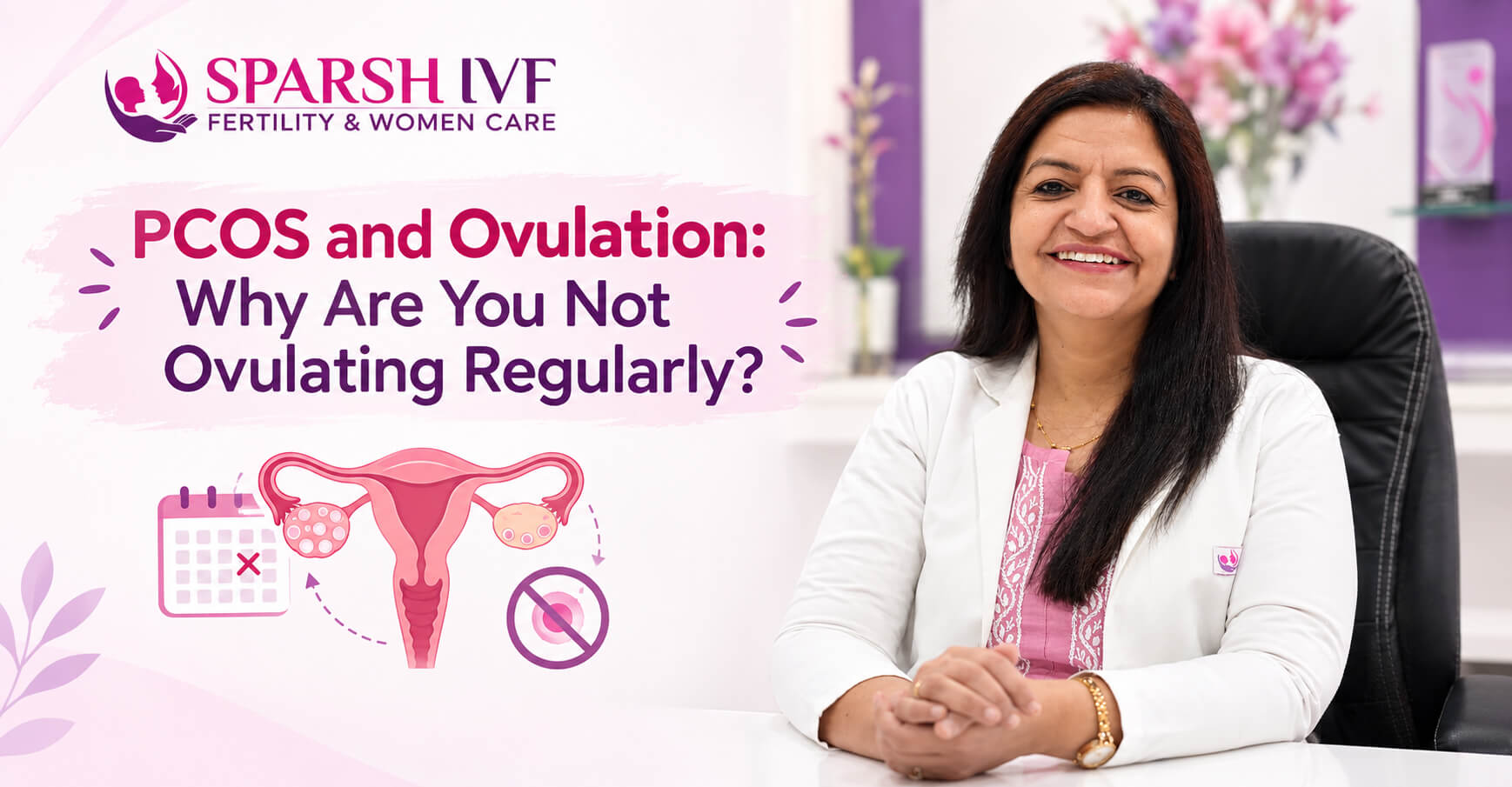
Dr. Monika Sharma Explains PCOS and Ovulation
Along with medical treatment, regular physical activity, balanced nutrition, adequate sleep and sustainable weight management may also support overall metabolic health and more predictable ovulation in some people.
PCOS does not automatically mean infertility. The appropriate treatment depends on the individual’s ovulation pattern, age, ovarian reserve, sperm factors, fallopian tube health and other fertility-related factors.
When May Ovulation Induction or IVF Be Recommended—or Not?
Ovulation induction may be considered when irregular or absent ovulation is the main identified reason for difficulty conceiving, the fallopian tubes and sperm factors have been assessed as appropriate, and pregnancy is medically safe.
A different treatment pathway may be recommended when there are blocked or damaged fallopian tubes, significant sperm-factor infertility, severe endometriosis, reduced ovarian reserve, advanced reproductive age, recurrent pregnancy loss, or other factors. IVF is not automatically required for every person with PCOS; the appropriate approach depends on the complete fertility evaluation.
Before fertility treatment, clinicians may recommend assessment of both partners. Infertility is not exclusively a woman’s issue, and semen analysis is an important part of the initial work-up.
Clinical Perspective
| PCOS is a heterogeneous condition: two patients may both meet diagnostic criteria but have very different symptoms, metabolic profiles and fertility needs. The aim is not simply to make a period appear regular—it is to identify whether ovulation is occurring, protect long-term health, and select treatment based on the patient’s reproductive goals and overall medical profile. |
— Clinical perspective for patient education; individualized decisions require consultation with a qualified clinician.
Factors That Influence Fertility Treatment Outcomes
No fertility treatment can guarantee pregnancy. Outcomes vary according to:
- Age and egg quality.
- Ovarian reserve and response to medication.
- Sperm count, movement and morphology.
- Fallopian tube and uterine health.
- Endometriosis, fibroids or other gynecological conditions.
- Metabolic health and other medical conditions.
- Embryo development and, when relevant, chromosomal status.
- Treatment protocol, laboratory factors and previous treatment history.
Common Myths vs Facts
| Myth | Fact |
|---|---|
| PCOS means I cannot become pregnant. | PCOS can make ovulation irregular, but many people conceive naturally or with treatment. |
| If I bleed every month, I must be ovulating. | Bleeding does not always confirm ovulation. Your clinician can recommend appropriate assessment. |
| Only people with obesity develop PCOS. | PCOS can occur at any body size. Metabolic risk and symptoms vary. |
| IVF is the only fertility treatment for PCOS. | Many patients may benefit from lifestyle support, ovulation induction or IUI; IVF is considered when clinically appropriate. |
| A positive ovulation kit always confirms ovulation. | In PCOS, LH fluctuations can make kits less reliable. Additional monitoring may be needed. |
Frequently Asked Questions
Yes. Many people with PCOS ovulate occasionally, while others ovulate infrequently or not in some cycles. The pattern varies and can change over time.
Possible methods include cycle tracking, ovulation predictor kits, ultrasound follicle monitoring and a properly timed progesterone test. Your clinician can advise which method is appropriate.
PCOS is a common cause of ovulatory infertility, but it does not automatically cause permanent infertility. Pregnancy chances depend on the full reproductive evaluation.
They are related but not identical. Irregular periods may suggest irregular ovulation, but bleeding alone cannot confirm whether an egg was released.
When PCOS-related anovulation is the main issue and no other factors prevent it, letrozole is commonly used as first-line ovulation induction under medical supervision.
Metformin may be appropriate for selected patients, especially when metabolic concerns are present. It should only be started or adjusted after medical assessment.
Consider consultation if periods are very infrequent, you have gone several months without bleeding, you are trying to conceive with irregular cycles, or pregnancy has not occurred after an appropriate period of trying.
Some people with PCOS have increased risks such as gestational diabetes or hypertensive disorders, depending on their individual profile. Preconception counselling and antenatal monitoring can help manage risk.
When Should You Consult a Gynecologist or Fertility Specialist?
- Your periods are consistently more than 35 days apart, very unpredictable, or absent for three months or longer.
- You have signs of androgen excess or significant new menstrual changes.
- You are trying to conceive and have irregular or absent ovulation.
- You are under 35 and have tried for 12 months, or 35 or older and have tried for six months; earlier evaluation is appropriate when cycles are very irregular or another concern is known.
- You have severe pelvic pain, very heavy bleeding, or symptoms that require prompt assessment.
- You have questions about preconception health, medication safety, diabetes risk or pregnancy planning.
Key Takeaways
- PCOS can disrupt the hormonal process needed for regular ovulation.
- Irregular periods do not always confirm whether ovulation has occurred.
- PCOS does not automatically mean infertility; treatment is often possible when clinically appropriate.
- Diagnosis should consider symptoms, medical history, blood tests and sometimes ultrasound—not one finding alone.
- Treatment depends on whether the goal is cycle regulation, symptom management, metabolic health or pregnancy.
- Fertility outcomes vary, so individualized evaluation is more useful than relying on generalized success claims.
A Supportive Next Step
Every fertility journey is different. If you are unsure about your fertility health or treatment options, speaking with a qualified fertility specialist can help you understand your next steps.
SPARSH IVF in Udaipur, Rajasthan, provides fertility and women’s healthcare services, including fertility evaluation, ovulation-related care, IUI, IVF, ICSI and gynecological support. Dr. Monika Sharma, Founder and Medical Director, has MD/DNB-level training in Obstetrics & Gynecology and more than 25 years of experience in reproductive medicine. A consultation can help clarify whether irregular ovulation is related to PCOS or another condition and what evaluation or treatment may be appropriate for you.
Clinic: Plot No. 1, Kesar Kunj, New Bhupalpura, Udaipur, Rajasthan, India
Website: https://www.sparshivf.in/
Phone: +91-78783-05787
If you’re searching for a trusted Women Health Care Centre in India or looking for the best gynaecologist in Udaipur, book a consultation with Dr. Monika Sharma and the Sparsh IVF team today. Contact us at [email protected], +91-7878305787
About the Author
Dr. Monika Sharma — Founder & Medical Director, SPARSH IVF | MD, DNB – Obstetrics & Gynecology | 25+ years of experience in reproductive medicine.
Comments are closed